Transforming Outdated Cookware Through Smart Recycling: The Sustainable Kitchen Revolution
Cookware is at the heart of every kitchen, but what happens when your trusted pots and pans reach the end of their lifespan? Transforming outdated cookware through smart recycling is an eco-friendly trend gaining momentum among environmentally conscious households. In this comprehensive guide, explore how you can give your old kitchen equipment a new lease of life while caring for the planet.
Why Recycle Outdated Cookware?
The average family discards several pieces of cookware over the years, contributing to unnecessary landfill waste. Modern cookware recycling solutions allow us to break this cycle, transforming outdated pots, pans, and baking sheets into valuable resources.
- Environmental Impact: Reduces landfill waste and minimizes resource extraction for new products.
- Economic Benefits: Turns trash into usable materials for the manufacturing industry.
- Personal Satisfaction: Allows you to contribute to a cleaner, greener planet.
Common Problems with Old Cookware
We all have old frying pans with scratches, warped skillets, or dented saucepans. Many of these items are made from recyclable metals such as aluminum or stainless steel, yet they frequently end up in the trash due to lack of awareness about recycling options. Some outdated cookware may also contain unsafe coatings or be made using materials no longer in use due to health regulations.
Understanding Cookware Materials and Their Recyclability
Before you transform old cookware with smart recycling, it's essential to understand the materials they are made from, as this determines the recycling process and options available.
Most Common Cookware Materials
- Stainless Steel: 100% recyclable and widely accepted by scrap metal recyclers.
- Aluminum: Highly recyclable; can be turned into new cookware or building materials.
- Copper: Valuable for its high scrap value and energy efficiency.
- Cast Iron: Requires specialty recycling due to its weight but is fully recyclable.
- Nonstick Coatings (like Teflon): Can complicate recycling; must be removed or handled at specialty centers.
- Ceramic and Glass: Not always recyclable via regular curbside programs but can find new uses.
Smart Recycling Techniques for Outdated Cookware
Transforming outdated cookware through smart recycling involves creative thinking, practical methods, and sometimes specialized facilities. Here's how you can join the smart recycling revolution:
1. Scrap Metal Recycling Centers
Most metal cookware can be taken to a local scrap metal recycling facility. These centers accept aluminum, stainless steel, and even copper. Ensure you:
- Remove non-metal parts such as plastic handles or glass lids.
- Clean your cookware to remove food residues.
- Sort by material type for easier processing.
2. Manufacturer Take-Back Programs
Some cookware brands have launched programs where consumers can return outdated or damaged cookware for recycling or refurbishment. These smart take-back programs often offer incentivized discounts on new purchases, encouraging the sustainable upgrade of your kitchen arsenal.
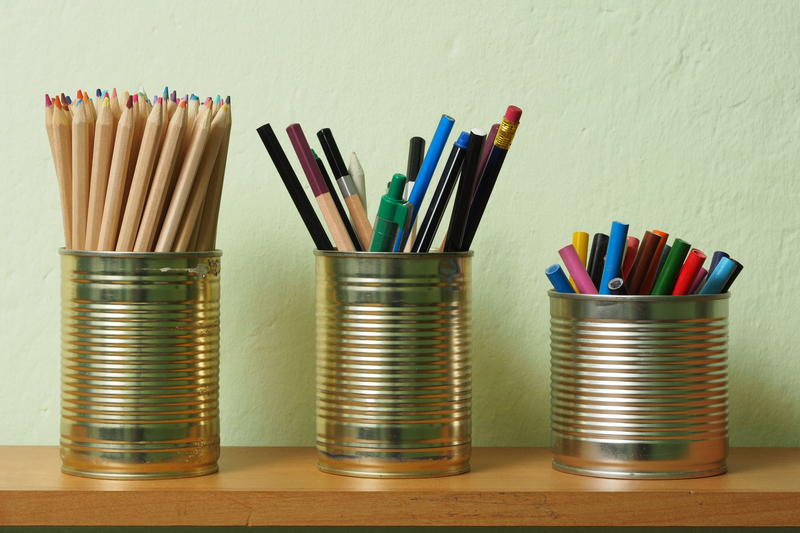
3. Upcycling and Creative Repurposing
If you're feeling crafty, consider upcycling old cookware into unique home and garden decor. Here are some inspiring ideas:
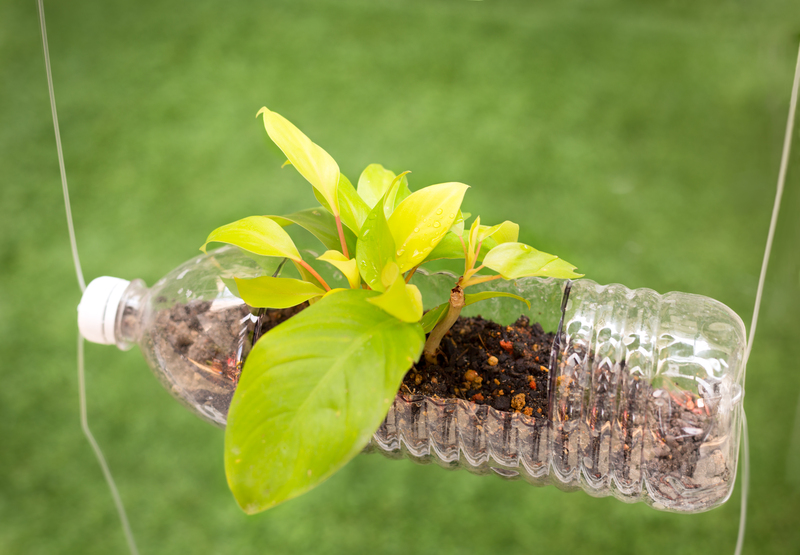
- Pots into planters: Add drainage holes and use them for herbs or flowers.
- Pans as wall art: Paint and hang non-usable pans for a rustic, vintage vibe.
- Colanders for lighting: Transform metal colanders into quirky lampshades.
- Lid clocks: Turn old pot lids into funky kitchen clocks.
- Cast iron grill as garden tool holder: Repurpose heavy-duty pieces for utility storage outside.
Upcycling is a form of smart recycling for cookware that not only diverts waste but also adds personality to your home!
4. Donation and Community Swaps
If your cookware is still usable, consider donating to local shelters, community kitchens, or through online neighborhood networks. Regular pot and pan swap events are popping up in urban communities, promoting circular economy practices and reducing waste dramatically.
Step-by-Step Guide for Transforming Outdated Cookware Through Smart Recycling
Ready to begin? Follow this thorough process to transform your outdated kitchenware:
-
Assess Condition:
- If the cookware is still functional, prioritize donation or resale to extend its lifecycle.
- If unsafe (peeling nonstick coatings, warping, rust), move to recycling or upcycling.
-
Identify Materials:
- Use a magnet to test for steel; check manufacturer markings for aluminum or copper.
-
Prepare for Recycling:
- Disassemble mixed-material pieces (metal parts only for scrap yards).
- Clean thoroughly.
-
Choose Your Smart Recycling Option:
- Local scrap metal facilities
- Manufacturer take-back programs
- Creative upcycling or repurposing
- Donation if still usable
-
Spread the Word:
- Share your cookware recycling journey on social media.
- Encourage friends and family to adopt smart cookware recycling habits.
Transforming Cookware: Recycling Innovations and Global Trends
The sustainable cookware movement is gathering global attention thanks to new initiatives and technologies. Here's a look at some exciting trends in cookware transformation:
- Green Manufacturing: Companies now produce new pots and pans using recycled metals sourced from old cookware.
- Closed-Loop Programs: Brands like GreenPan and All-Clad are championing closed-loop recycling, where returned items are remade into new products within the same system.
- Nonstick Coating Disposal: Technological advances are making it easier to safely separate and dispose of hazardous coatings.
- Local Repair Initiatives: Repair cafes and fix-it clinics teach community members how to extend the life of cookware before recycling.
- Legislative Support: Countries are introducing extended producer responsibility (EPR) laws, requiring manufacturers to manage their products' end-of-life.
Environmental Advantages of Smart Cookware Recycling
Transforming outdated cookware through smart recycling brings several environmental rewards:
- Reduces landfill waste: Metal and glass take centuries to break down.
- Saves natural resources: Recycling metals requires less energy and raw material than mining new ores.
- Prevents pollution: Keeps harmful coatings or rusted metal from contaminating the soil and water.
- Supports local economies: Recycled materials fuel the production of new goods and jobs in manufacturing.
The environmental impact of transforming outdated cookware with smart recycling is considerable and lasting, especially as more individuals participate.
Challenges in Recycling Cookware
Despite the benefits, several challenges complicate the process:
- Mixed Materials: Many pieces combine metals, plastics, glass, and coatings.
- Lack of Awareness: Not all municipalities accept cookware in curbside programs.
- Nonstick Dilemmas: Certain coatings can emit toxins if improperly handled.
- Access to Facilities: Remote areas may lack specialized scrap metal centers.
Education and advocacy remain crucial in expanding access and participation in smart cookware recycling solutions.
Practical Tips for Sustainable Cookware Choices
While recycling and upcycling are essential, making sustainable choices from the start is equally crucial. Here are some tips for a greener kitchen:
- Buy cookware made from recycled or sustainable materials.
- Opt for durable, long-lasting products over cheap, disposable options.
- Avoid nonstick coatings that are hard to recycle or may be hazardous.
- Support brands that have recycling or take-back programs.
- Engage in regular maintenance to extend cookware lifespan.
Frequently Asked Questions about Transforming Cookware with Smart Recycling
Can I recycle nonstick pans?
Yes, but only at certain facilities. Many scrap yards require that the coating be removed prior to recycling the metal. Some manufacturers or recycling centers accept nonstick pans for proper disposal. Always check local options.
What should I do with ceramic or glass cookware?
These materials are usually not accepted in regular recycling bins. Consider upcycling them as decorative items, planters, or donating to thrift stores if undamaged.
Are there benefits to upcycling rather than recycling?
Absolutely! Upcycling saves energy, sparks creativity, and results in personalized, functional home and garden pieces.
How do I find a cookware recycling center near me?
Many local municipal recycling websites maintain directories of accepted items and facilities. The Earth911 website is an excellent resource for locating scrap metal recycling options by zipcode.
Conclusion: The Future of Sustainable Kitchens Lies in Smart Cookware Recycling
Transforming outdated cookware through smart recycling is more than a passing trend; it's a necessary shift for a sustainable future. From reducing landfill impact to encouraging closed-loop manufacturing, your decisions make a real difference. Embrace innovative recycling practices, explore creative upcycling, and support brands dedicated to sustainability. Together, we can revolutionize our kitchens--and help protect the planet!
Ready to start? Check your kitchen, research your local options, and join the growing movement towards transforming outdated cookware with smart and sustainable solutions. Your eco-friendly kitchen awaits!