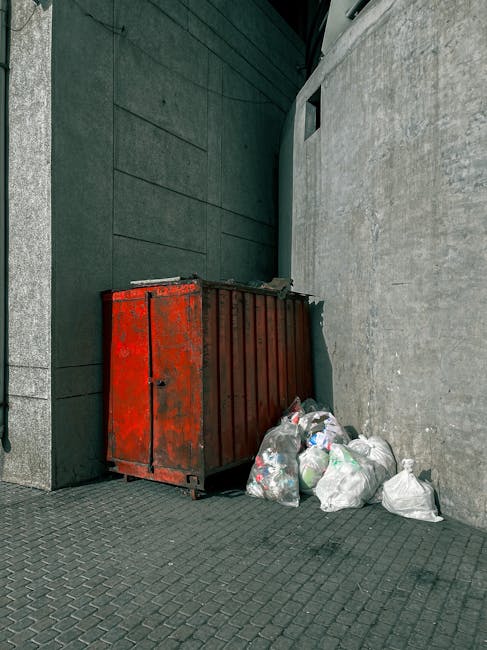
What to Know About Rubbish Disposal Rules with Lambeth Council
If you live, work, or manage a project in Lambeth, rubbish disposal can feel oddly complicated for something so ordinary. One minute you are clearing a spare room, the next you are wondering whether a sofa can go out with the old mattress, whether a skip needs permission, or whether that pile of builder's waste is even allowed on the road. That is exactly why understanding rubbish disposal rules with Lambeth council matters: it helps you avoid fines, delays, messy disputes with neighbours, and the classic last-minute panic of having waste sit in the wrong place for too long.
This guide breaks the topic down in plain English. You will learn how disposal rules usually work, what to check before putting anything out, when a skip permit may be needed, and which waste routes make the most sense for homes, landlords, builders, and businesses. We will also cover practical options like rubbish removal, skip hire, and waste recycling services, plus a few pitfalls people often miss until it is too late.
Why rubbish disposal rules in Lambeth matter
Rubbish rules are not there to make life awkward. They exist because waste can quickly create safety issues, obstruct pavements, attract pests, and cause problems for neighbours if it is handled badly. In Lambeth, where streets can be tight, parking is often limited, and properties sit close together, even a small mistake can become a bigger headache than expected.
Think about a typical weekday morning in south London: someone puts a black bag out too early, rain starts, the bag splits, and by lunch the pavement looks like a small disaster. Not exactly glamorous. For households, landlords, tradespeople, and office managers, getting disposal right is about keeping the street clear and keeping the job moving.
It also matters financially. If you use the wrong disposal method, mix prohibited items into general waste, or place a skip in the wrong spot, you may face extra costs and avoidable delays. Better to sort it properly first. To be fair, most issues happen because people are rushed, not because they are careless.
There is also a trust element. Waste should go to the right place, be handled safely, and be carried by a reputable operator. That is why services such as hazardous waste disposal and recycling and sustainability matter so much when you are dealing with anything beyond ordinary household rubbish.
How rubbish disposal works in practice
At a simple level, rubbish disposal in Lambeth usually falls into one of a few routes: council collections, bulky waste arrangements, skip hire, wait-and-load services, grab hire, or man-and-van removal. The right route depends on what you are throwing away, how much of it there is, and where it is located.
If you are clearing a few household items, a standard removal route may be enough. For example, old chairs, a wardrobe, or some bagged clutter from a garage are often better handled through a direct collection than by ordering a skip. In that kind of situation, man and van or house clearance can be a cleaner fit because the waste is loaded away for you.
If the job is bigger, such as a renovation, garden overhaul, or a demolition phase, you may need a larger solution. That is where builders skip hire, construction waste disposal, or demolition waste removal becomes more relevant. These options are designed for heavier, bulkier waste streams and tend to suit works that produce a lot of material in one go.
One detail people sometimes overlook: placement matters just as much as disposal method. A skip on private land is one thing. A skip on the public highway is another. In many cases, that means checking whether a permit is needed. If you are not sure, review skip hire permits and skip permits before you book. It can save a very awkward phone call later.
There are also specific item categories to think about. Fridges, sofas, mattresses, confidential paper, and appliances all need more careful handling than a normal bag of household waste. The service pages for fridge and appliance removal, mattress and sofa disposal, and confidential shredding are useful examples of how disposal should match the material, not just the size of the pile.
Key benefits and practical advantages
Following the right rubbish disposal rules does more than keep you on the right side of local expectations. It can make the whole job smoother.
- Fewer delays: When waste is sorted correctly, collections and removals tend to move faster.
- Less stress: You are not scrambling to fix a permit issue, a blocked access route, or a rejected load.
- Better safety: Safe handling reduces risks around sharp materials, heavy items, and obstructed walkways.
- Cleaner recycling outcomes: Separating suitable waste streams makes recycling easier and often more efficient.
- More predictable costs: Clear planning helps avoid surprise charges for missed access, restricted loads, or extra movements.
There is also a quieter advantage: good disposal habits make future jobs easier. Once you know how to handle waste properly in one property or project, the next one feels less chaotic. No drama, no guesswork, just a process that works.
For contractors and business owners, this becomes especially useful. Office refurbishments, commercial clear-outs, and site work generate mixed waste quickly, so having a reliable route matters. A lot. If that sounds familiar, commercial skip hire and office clearance are worth considering early rather than at the point the corridor is already full of boxes.
Who this is for and when it makes sense
Rubbish disposal rules are relevant to just about everyone in Lambeth, but the practical concerns differ by situation.
- Homeowners and tenants: Usually want the easiest route for mixed household waste, furniture, and end-of-tenancy clear-outs.
- Landlords and letting agents: Often need fast, tidy disposal after a tenant move-out or property refresh.
- Tradespeople and builders: Need dependable removal for rubble, timber, packaging, soil, and mixed construction waste.
- Businesses: May need regular commercial waste support, secure disposal, or one-off clearance during refurbishments.
- Gardeners and homeowners with outdoor projects: Deal with green waste, soil, branches, and broken fixtures.
For domestic jobs, domestic skip hire can be a practical middle ground when you have too much for bins but not enough to justify a full site setup. For outdoor work, garden waste removal is often more sensible than trying to squeeze cuttings and soil into mixed rubbish bags. And if you are trying to clear a loft, garage, or awkward storage space, the very specific sort of clutter that appears up there tends to suit garage and loft clearance surprisingly well.
When does it make sense to call in help rather than manage waste yourself? Usually when the waste is bulky, heavy, time-sensitive, or awkward to access. Also when you look at the pile and think, quietly, "I am not doing this in four trips with the hatchback." Quite reasonable, honestly.
Step-by-step guidance
If you want to stay organised and avoid unnecessary problems, a straightforward process works best.
- Identify the waste type. Decide whether it is household, garden, construction, bulky furniture, confidential paperwork, electricals, or potentially hazardous material.
- Separate prohibited or special items. Keep hazardous items, appliances, and mixed materials apart if they need different handling.
- Estimate the volume. A small amount of waste might suit collection, while a larger load may need a skip, grab lorry, or a dedicated removal service.
- Check access and placement. Ask whether the waste can be stored on private land, whether a vehicle can reach the property, and whether a roadside placement would need permission.
- Choose the right disposal route. Compare rubbish removal, grab lorry hire, wait and load skip hire, or a standard skip depending on the job.
- Plan the timing. Book early if the work is linked to a move, refurbishment, or weekend deadline. Same-day help can be useful when the schedule has gone sideways.
- Load carefully. Spread weight evenly, keep unsafe items out, and do not overload beyond the agreed fill line or acceptance rules.
- Keep records if needed. For business or construction jobs, hold onto collection details, invoices, or transfer paperwork where appropriate.
That is the bones of it. Simple enough in theory, though the awkward bit is usually the waste itself, not the form-filling. If you need a more detailed idea of load types, what can go in a skip is a helpful reference point before you start stacking items outside.
Expert tips for better results
After enough clear-outs, a few patterns become obvious.
Start with the awkward items first. Fridges, mattresses, and broken appliances often drive the disposal method more than the rest of the waste. If you ignore them until the end, you can end up choosing the wrong option for the whole job.
Keep a clean separation between waste streams. Builders' rubble should not sit under cardboard, and confidential paperwork should not be mixed in with household clutter. It sounds obvious, but in practice people often just start piling things into one heap and hope for the best. That rarely ends well.
Think about access before booking. Narrow roads, low branches, permit-only parking zones, and tight front gardens can all affect the best method. In some cases, a skip is perfect. In others, a grab hire service is much easier because it can collect waste from harder-to-reach spots.
Choose the disposal method around the street, not just the waste. That sounds a bit odd, but it is true. A clever plan for a narrow Lambeth street often saves more time than the cheapest option on paper.
Build in one spare day if you can. Renovations and clearances nearly always produce one extra bag, one extra pile, or one unexpected item that changes the plan. Not always, but enough that it is worth allowing for.
If you are dealing with a secure office clean-up, sensitive files or records should be treated differently from general paper. That is where confidential shredding becomes part of proper waste management rather than an optional extra.
Common mistakes to avoid
Most rubbish disposal mistakes are predictable. The good news is that they are also avoidable.
- Mixing prohibited items with general waste: This can lead to rejection, extra charges, or safety issues.
- Underestimating volume: A job that looks small can expand quickly once wardrobes, flooring, or old fittings come out.
- Ignoring placement rules: A skip or container in the wrong spot can create permit problems or access issues.
- Assuming every service accepts everything: Different waste routes have different acceptance rules.
- Leaving disposal until the end of the project: This causes bottlenecks, clutter, and sometimes damage to the property.
- Forgetting about recycling opportunities: Some items are much better handled through a recycling-focused route than as mixed rubbish.
One common scene: a homeowner starts a loft clear-out on a Saturday, discovers old furniture, a broken freezer, and a pile of paper records, then realises halfway through that each item really wants a different solution. Bit of a nuisance. But that is exactly why planning saves time later.
Tools, resources and recommendations
You do not need a complicated toolkit to manage disposal well, but a few practical resources help a lot.
- Measuring tape: Handy for checking skip space, access width, or how much furniture will fit through a doorway.
- Bin bags and heavy-duty sacks: Good for separating light waste before collection.
- Labels or marker pens: Useful for marking waste streams, especially on renovation jobs or business clear-outs.
- Camera phone: A quick photo of the waste pile can help you assess size and plan the right collection method.
- Dust sheets and gloves: Sensible for lofts, garages, and dusty clearances.
From a service perspective, these pages are especially helpful if you are comparing ways to handle a job: skip sizes and prices, same day skip hire, enclosed and lockable skip hire, and book online. The right choice usually depends on urgency, waste type, and location rather than just how much stuff there is.
For projects involving heavy materials or a lot of spoil, muck away services can be a sensible fit. For access-sensitive jobs, man and van or wait and load skip hire often works better than leaving a container in place.
Law, compliance, standards and best practice
Without getting lost in legal wording, the main idea is simple: waste should be stored, transported, and disposed of responsibly. In the UK, businesses and households are expected to avoid fly-tipping, prevent hazardous contamination, and use reputable carriers where required. For many readers, the practical takeaway is to choose a provider that can explain what happens to the waste, what can be accepted, and what needs special handling.
Best practice usually includes:
- keeping hazardous and non-hazardous waste separate where possible
- using the correct disposal route for furniture, white goods, green waste, and rubble
- checking whether a permit or permission is needed for roadside placement
- making sure the chosen collection method suits the street layout and access conditions
- using recycling-focused routes when suitable, rather than sending everything to mixed disposal
For construction and commercial work, a tidy paper trail also helps. That may include invoices, collection confirmations, and any waste transfer documentation your circumstances require. If the job is sensitive or high-risk, reading up on insurance and safety and the provider's health and safety policy is a sensible move, not paperwork for paperwork's sake.
One gentle reminder: rules and local arrangements can change over time. So if you are unsure, it is best to check the latest requirements before booking anything that sits on a road or involves unusual waste. That small pause can prevent a bigger mess later.
Options, methods, and comparison table
Different disposal methods suit different jobs. The table below gives a practical comparison, not a one-size-fits-all answer.
| Method | Best for | Strengths | Things to watch |
|---|---|---|---|
| Skip hire | Home clear-outs, renovations, mixed bulky waste | Good capacity, flexible for ongoing jobs | May need a permit if placed on the road |
| Wait and load | Short jobs, no space for a skip, quick collections | No long roadside stay, fast turnaround | Requires the waste to be ready for loading |
| Grab hire | Heavy or loose waste, soil, rubble, site clearances | Efficient for large or awkward material | Needs access for the vehicle arm |
| Man and van | Furniture, mixed household waste, smaller clearances | Flexible, tidy, useful for access-limited homes | Less suited to heavy construction waste |
| Specialist removal | Appliances, mattresses, confidential waste, hazardous items | Matches the item to the correct handling route | May need item-specific preparation |
If you are choosing between them, start with the waste type and access conditions. Price matters, of course, but it should not be the only factor. The cheaper option is not much help if it cannot legally or safely handle the load.
Case study or real-world example
A typical Lambeth example goes like this. A couple begins refurbishing a first-floor flat. They have stripped out a wardrobe, two old chairs, kitchen packaging, broken tiles, and a small pile of plasterboard. At first they assume one standard collection will solve it. Then they realise the waste is too much for normal bins, and one of the items is not ideal to mix in with everything else. The street outside is narrow, parking is tight, and leaving waste out for days would annoy neighbours. Not ideal.
After checking the options, they split the job into two parts. Heavier construction waste is handled through a suitable removal route, while the furniture and mixed household items go through a separate collection. Because access is limited, they avoid a long roadside setup and use a method that suits the flat entrance. The result is less disruption, fewer trips, and no awkward pile sitting by the kerb overnight.
The lesson is simple enough: the best disposal plan is usually the one that matches the shape of the job, not just the amount of stuff. Once you see that, it all becomes a bit easier.
Practical checklist
Before you book or move a single bag, run through this list.
- Have I identified the waste type correctly?
- Are there any hazardous, electrical, confidential, or special items in the load?
- Do I know roughly how much waste there is?
- Is there enough access for the chosen collection method?
- Would the waste need to sit on the road or public land?
- Could a permit or permission be required?
- Would a skip, grab lorry, wait-and-load, or man and van be the best fit?
- Have I checked what can go in the load and what should stay out?
- Do I need recycling support for any part of the waste stream?
- Have I planned the timing so the rubbish does not hold up the job?
If you can tick most of those boxes, you are in good shape. If not, pause for a minute and sort the plan before you book. It is much easier than untangling the aftermath.
Get a free quote today and see how much you can save.
Conclusion
Rubbish disposal rules with Lambeth council do not need to feel complicated once you break them into the practical pieces: what the waste is, how much there is, where it is going, and whether it needs a permit or special handling. That simple framework helps you avoid the common problems that catch people out, especially on busy London streets where space is limited and timing matters.
Whether you are clearing a flat, managing a refurb, or dealing with builders' waste, the right disposal choice can save time, keep things tidy, and reduce stress for everyone involved. A bit of planning goes a long way here. Honestly, more than people expect.
And if you are standing in front of a messy room or a half-finished project wondering where to begin, start small, choose the right route, and keep moving. One load at a time. That is usually enough.
Frequently Asked Questions
What to know about rubbish disposal rules with Lambeth council before putting waste out?
Start by checking what type of waste you have, how much of it there is, and whether it needs a special collection or permit-based placement. The main risk is mixing the wrong items together or leaving waste where it should not be.
Do I need a permit for a skip in Lambeth?
If the skip is placed on private land, you may not need a permit. If it goes on the public highway, permission is often required. It is best to check before booking so you do not end up moving the skip at short notice.
Can I put furniture in a skip?
Usually, yes, but it depends on the operator's acceptance rules and how the skip is being used. Sofas, wardrobes, and chairs are common, but you should keep an eye out for restricted materials that need separate handling.
What should not go in general rubbish or a skip?
Hazardous items, certain electricals, and some specialist materials often need separate handling. Things like fridges, chemicals, and confidential paperwork should be treated more carefully than general household rubbish.
Is grab hire better than skip hire?
It depends on the job. Grab hire can be ideal for heavy or loose materials, especially where access is tricky. Skip hire is often better for ongoing clear-outs and jobs where you want a container on site.
What is the best option for a small flat clearance?
For a flat clearance, many people find man and van removal or wait-and-load more practical than a skip, especially if parking is tight or you do not have space outside. It keeps the process quicker and tidier.
How do I dispose of a mattress or sofa properly?
Use a disposal route that accepts bulky furniture or book a specialist collection. Mattresses and sofas are awkward items, and they often need a more suitable method than standard bagged waste.
Can businesses in Lambeth use the same disposal options as households?
Sometimes, but commercial waste often needs a more structured approach. Offices, shops, and trades usually benefit from commercial skip hire, office clearance, or scheduled waste solutions rather than ad hoc rubbish handling.
What is the safest way to handle confidential waste?
Confidential shredding is the safer route for paper records, sensitive documents, and anything you would not want casually mixed into general waste. It is a simple step, but an important one.
How can I tell which skip size I need?
The easiest starting point is to estimate the waste volume and think about what you are throwing away. Light household clutter needs less space than rubble or bulky furniture, so looking at skip sizes and prices can help you choose more confidently.
What if I need waste removed quickly?
If time is tight, same-day skip hire or a quick collection service may be the most practical route. The key is to have the waste ready and to choose a method that suits your access and location.
How do I reduce the chance of extra charges?
Separate your waste properly, be honest about volume, check access in advance, and choose the right disposal method first time. Most surprise costs come from poor planning rather than the waste itself.
Where can I learn more about recycling options?
If recycling matters for your job, look at recycling and sustainability and ask for the most suitable route for your waste type. A little separation at the start can make a real difference later.